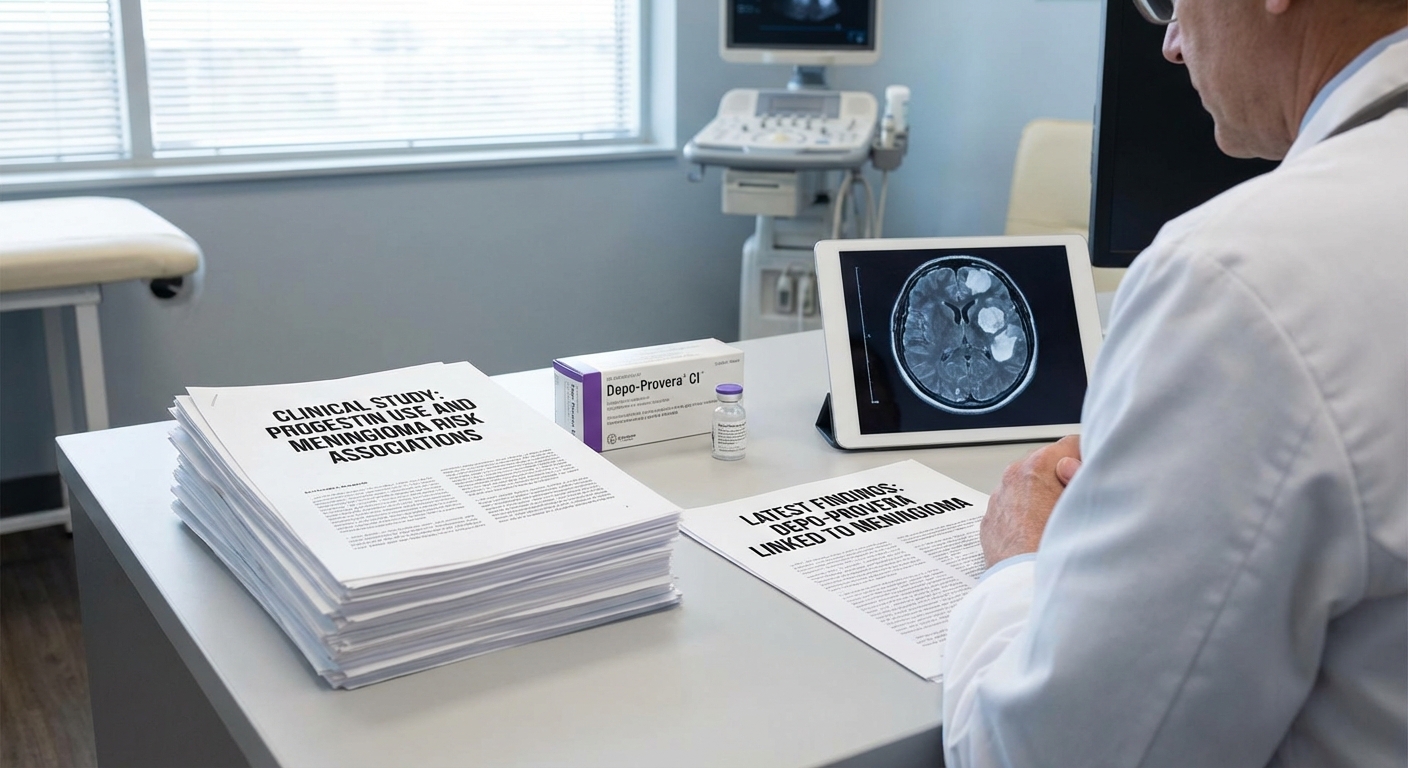
A Depo-Provera meningioma lawsuit seeks compensation for women who developed a meningioma after using the contraceptive injection. This article covers eligibility, evidence, and what to expect from the process.
Women who have used Depo-Provera, an injectable contraceptive medication, and later received a diagnosis of meningioma may have legal options. Meningiomas are brain tumors that form in the protective membranes surrounding the brain and spinal cord. Recent scientific research has identified a potential link between long-term use of Depo-Provera and the development of these tumors.
The Depo-Provera meningioma lawsuit represents a developing area of pharmaceutical litigation where women are seeking compensation for injuries they believe were caused by the medication. Understanding your legal rights and options is important if you've used Depo-Provera and been diagnosed with a meningioma.

Medical research laboratory with scientific equipment
What Is a Meningioma?
A meningioma is a type of brain tumor that forms in the meninges, the protective membranes that surround the brain and spinal cord. While most meningiomas are benign, meaning they are not cancerous, they can still cause serious problems. These tumors can grow large enough to press against the brain, causing symptoms such as headaches, vision problems, seizures, and cognitive changes.
Meningiomas are typically diagnosed through imaging studies such as MRI or CT scans. In some cases, a biopsy may be performed to confirm the diagnosis. Treatment options vary depending on the size and location of the tumor, and may include monitoring, surgery, or radiation therapy.
The connection between meningiomas and hormone exposure has been the subject of scientific research for many years. Studies have found that meningiomas have receptors for certain hormones, including progestogens, which may explain why exposure to these hormones could promote tumor growth.
The Connection Between Depo-Provera and Meningiomas
Depo-Provera contains the hormone medroxyprogesterone acetate, which is a type of progestogen. Scientific research has identified a potential link between progestogen-containing medications like Depo-Provera and the development of meningiomas.
Experienced attorneys are ready to review your situation at no cost.
No obligation. A quick review can clarify your next steps.
Get your free case reviewStudies have found that women who used progestogen-based contraceptives, including Depo-Provera, for extended periods may have an increased risk of developing meningiomas. The risk appears to be higher in women who used the medication for longer durations, suggesting a dose-response relationship. This means that the longer someone used Depo-Provera, the greater their potential risk.
The mechanism by which progestogens may contribute to meningioma development is not fully understood, but research suggests that these hormones may stimulate the growth of meningioma cells. Meningiomas have been found to have receptors for progestogen hormones, which may explain why exposure to these hormones could promote tumor growth.
Who May Qualify for a Depo-Provera Meningioma Lawsuit?
Women who may qualify for a Depo-Provera meningioma lawsuit typically share certain characteristics related to their medication use and medical diagnosis. Understanding these factors can help you determine whether you may have a valid claim.
Duration of Use: Women who used Depo-Provera for extended periods, particularly five years or more, may have stronger cases. The risk of meningioma development appears to increase with longer duration of use, so those who received injections over many years may be more likely to qualify.
Meningioma Diagnosis: A confirmed diagnosis of meningioma is typically required. This diagnosis is usually made through imaging studies such as MRI or CT scans, and may be confirmed through biopsy if surgery is performed. The diagnosis should have occurred after a period of Depo-Provera use.
Timing of Diagnosis: The timing between Depo-Provera use and meningioma diagnosis is important. Cases where the diagnosis occurred during or after Depo-Provera use may be more relevant than cases where the diagnosis occurred many years before starting the medication.
Medical Documentation: Having medical records that document both your Depo-Provera use history and your meningioma diagnosis is important. These records help establish the connection between the medication and your condition.
If you've used Depo-Provera and received a meningioma diagnosis, you may want to learn whether you qualify for a free case review. This initial evaluation can help determine whether your situation may meet the criteria for pursuing a legal claim.
Take the first step: a free consultation could clarify your legal options.
Get a free case review and learn whether you may qualify.
Start with a free consultationCurrent Status of Depo-Provera Meningioma Litigation
Litigation related to Depo-Provera and meningiomas is developing as more women learn about the potential connection between their medication use and brain tumor diagnosis. Cases are being filed alleging that manufacturers knew about the risks but failed to adequately warn patients and healthcare providers.
The litigation is in early stages, with cases being filed in various courts. As more scientific evidence emerges and more women come forward, the litigation may develop into consolidated proceedings similar to other pharmaceutical mass tort cases. Scientific evidence continues to accumulate linking progestogen exposure to meningioma development, and this evidence may support legal claims that manufacturers had an obligation to warn about these risks but failed to do so adequately.
Evidence suggests that the risks associated with progestogen exposure were known for years before adequate warnings were provided. Pharmaceutical companies have a legal obligation to warn patients and healthcare providers about known risks. If you've used Depo-Provera for an extended period and developed a meningioma, you may be entitled to compensation for medical expenses, lost wages, pain and suffering, future medical care, and reduced quality of life.
Common Symptoms of Meningiomas
Meningiomas can cause a variety of symptoms depending on their size and location. Understanding these symptoms can help you recognize potential warning signs and seek appropriate medical care.
Headaches: Persistent or worsening headaches are one of the most common symptoms of meningiomas. These headaches may be different from typical headaches and may worsen over time.
Vision Problems: Meningiomas located near the optic nerve or other visual pathways can cause vision changes, including blurred vision, double vision, or loss of vision in one or both eyes.
Seizures: Some meningiomas can cause seizures, particularly if they're located in areas of the brain that control motor function or consciousness.
Top Tier Legal connects you with experienced mass tort attorneys.
One step: request a free, confidential case evaluation.
Get a free case evaluationCognitive Changes: Meningiomas may cause changes in memory, concentration, or other cognitive functions, especially if they're large or located in areas that affect brain function.
Weakness or Numbness: Depending on the location of the tumor, meningiomas can cause weakness or numbness in various parts of the body.
Hearing Loss: Meningiomas located near the auditory nerve can cause hearing loss or ringing in the ears.
It's important to note that these symptoms can have many causes, and having these symptoms doesn't necessarily mean you have a meningioma. However, if you've used Depo-Provera and are experiencing any of these symptoms, it's important to discuss them with your healthcare provider and consider whether imaging studies may be appropriate.
What a Case Review Involves
A case review is an initial evaluation to determine whether you may have a valid legal claim related to Depo-Provera use and meningioma development. This process is confidential, free, and does not create any obligation on your part.
Initial Consultation: The process typically begins with a conversation about your Depo-Provera use history and medical diagnosis. You'll be asked about when you started using Depo-Provera, how long you used it, when you received your meningioma diagnosis, and what symptoms you've experienced.
Medical Records Review: If you decide to proceed, medical records related to your meningioma diagnosis and treatment may be reviewed. This helps establish the connection between your medication use and your condition.
Eligibility Assessment: Based on the information gathered, an assessment will be made about whether you may qualify to pursue a claim. Factors considered include the duration of your Depo-Provera use, the timing of your diagnosis, and how your case fits within the broader litigation.
Free, no-obligation case review. Find out if you qualify.
Free, no-obligation case review. Find out if you qualify.
Check your eligibilityNext Steps: If you may qualify, you'll be informed about the next steps in the legal process. This might include connecting you with an independent law firm that handles Depo-Provera cases.
The case review process is designed to be straightforward and respectful of your situation. The goal is to help you understand your options and determine whether pursuing legal action makes sense for your circumstances. If you're ready to begin, you can contact us for a free case review.
Important Considerations
Understanding your legal options related to Depo-Provera and meningiomas requires recognizing several important points about the process and potential outcomes.
No Guarantees: Legal cases involve uncertainty. Past results in similar cases don't guarantee future outcomes. Each case is evaluated individually based on its unique facts and circumstances.
Time Limits Apply: Statutes of limitations set deadlines for filing lawsuits. These deadlines vary by state and depend on factors such as when you discovered your injury and when you were diagnosed. Missing these deadlines can permanently bar you from pursuing compensation.
Individual Cases: Each case is handled individually. Your specific circumstances, medical history, medication use details, and the severity of your meningioma will be considered separately.
Scientific Evidence: While research suggests a link between Depo-Provera and meningiomas, scientific evidence continues to evolve. Courts will evaluate this evidence, and outcomes may depend on how juries and judges interpret the available research.
See if you qualify for a free case review to learn more about your potential rights and options. You can also learn more about Depo-Provera lawsuit information and your potential rights.
If you've been affected, a free case review can help you understand your options.
Confidential evaluation at no cost. See if you have options.
Request a free case reviewFrequently Asked Questions
**What is a meningioma?**
A meningioma is a type of brain tumor that forms in the meninges, the protective membranes surrounding the brain and spinal cord. While most meningiomas are benign, they can grow large enough to cause symptoms and may require treatment, including surgery.
**How is the connection between Depo-Provera and meningiomas established?**
Scientific research has identified a potential link between progestogen-containing medications like Depo-Provera and meningioma development. Studies have found that women who used these medications for extended periods may have an increased risk.
**Do I need to have had surgery to qualify for a lawsuit?**
Surgery is not necessarily required to qualify for a lawsuit. Cases are evaluated based on individual circumstances, including the size and location of the meningioma, symptoms experienced, and treatment received or recommended.
**How long do I have to file a Depo-Provera meningioma lawsuit?**
Statutes of limitations vary by state and depend on factors such as when you discovered your injury and when you were diagnosed. It's important to act promptly if you believe you may have a claim.
Don't wait—statutes of limitations may apply. Get a confidential evaluation.
No obligation. A quick review can clarify your next steps.
See if you qualify**What compensation might I be entitled to?**
Compensation amounts vary significantly based on individual circumstances, including the severity of your condition, medical expenses, lost wages, and other factors. Past results don't guarantee future outcomes.
**Can I still qualify if I used Depo-Provera many years ago?**
The timing of your Depo-Provera use and meningioma diagnosis is important, but there's no specific time limit that automatically disqualifies a case. Each situation is evaluated individually.
**What should I do if I've been diagnosed with a meningioma after using Depo-Provera?**
If you've been diagnosed with a meningioma after using Depo-Provera, you may want to consider a free case review to determine whether you may qualify for a lawsuit. It's also important to continue working with your healthcare providers to manage your condition.
Important Disclaimers
Understanding your legal options related to Depo-Provera meningioma lawsuits is an important first step for women who have used the medication and been diagnosed with meningiomas. If you've used Depo-Provera for an extended period and have been diagnosed with a meningioma, understanding your legal rights and options is important.
Remember, time is often of the essence due to statutes of limitations. Don't wait to explore your legal options. A free consultation can provide clarity on your situation and help you understand your rights and potential path to compensation. For more information about Depo-Provera and your legal options, see our articles on Depo-Provera brain tumor lawsuit and do I qualify for a Depo-Provera lawsuit. You can also learn more about Depo-Provera lawsuit information and your potential rights.
Experienced attorneys are ready to review your situation at no cost.
Get a free case review and learn whether you may qualify.
Get your free case reviewTop Tier Legal, LLC is not a law firm and does not provide legal advice. This content is for informational purposes only. Submitting information does not create an attorney-client relationship. If you qualify, Top Tier Legal, LLC may connect you with an independent law firm. Past results do not guarantee future outcomes.