Rather than focusing on courtroom procedure, this article tells the story of how Paraquat was actually used on U.S. farms, which workers were most exposed, and why that real-world use led to today’s wave of lawsuits.
From farm fields to federal court: the story of Paraquat in U.S. agriculture.: For over 50 years, American farmers relied on this herbicide to clear weeds and prepare crops—and countless workers were exposed. This article traces **how Paraquat became a farming staple**, **how workers were exposed**, and **why that history fueled thousands of lawsuits**. For occupation-specific exposure (farmworkers, applicators, crop dusters), see <a href="/blog/jobs-that-commonly-worked-with-paraquat/">jobs that commonly worked with Paraquat</a>. Here we cover the chemical’s role in farming, how exposure happened in the field, and why litigation has grown.
For decades, Paraquat dichloride was one of the most widely used herbicides on U.S. farms. Workers used it to control weeds and prepare fields; today, many of those workers are filing lawsuits alleging that exposure caused Parkinson's disease.
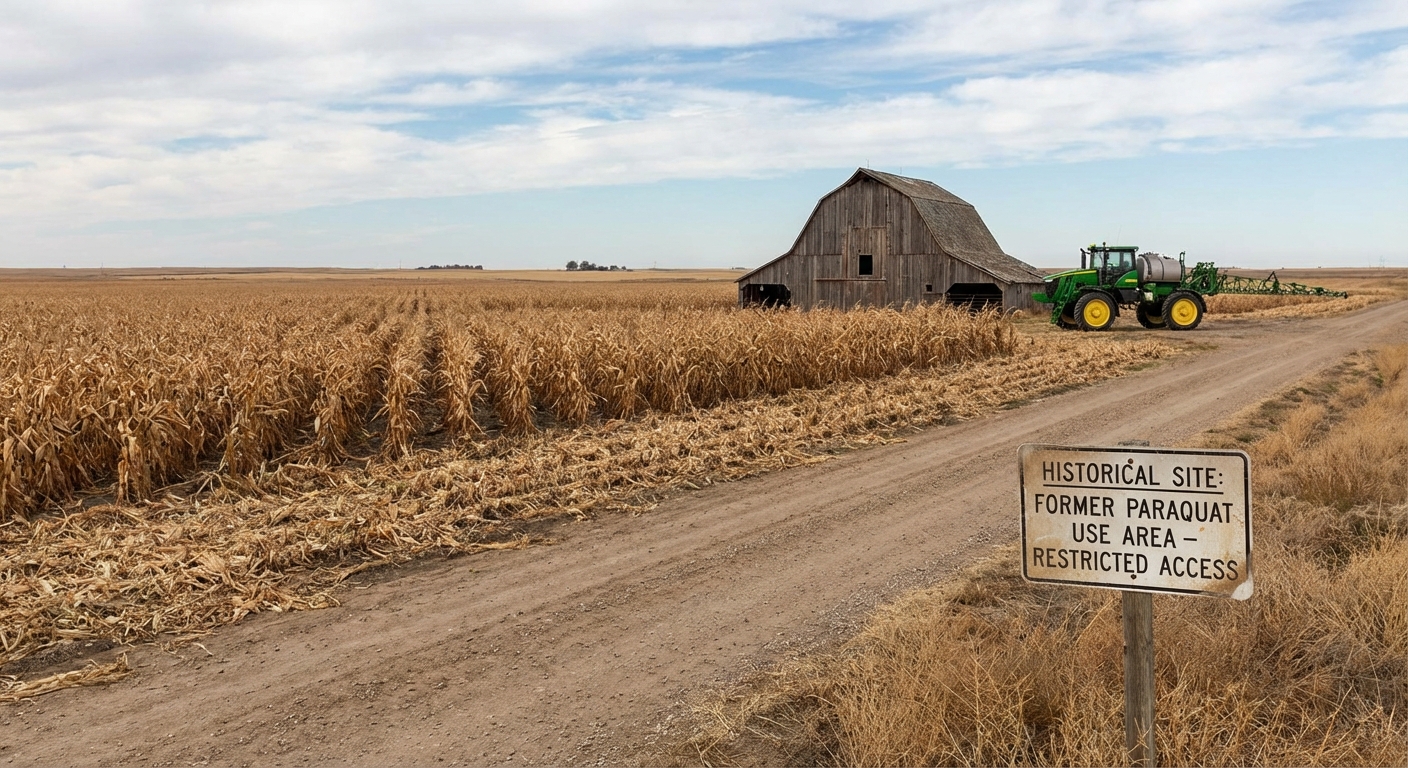
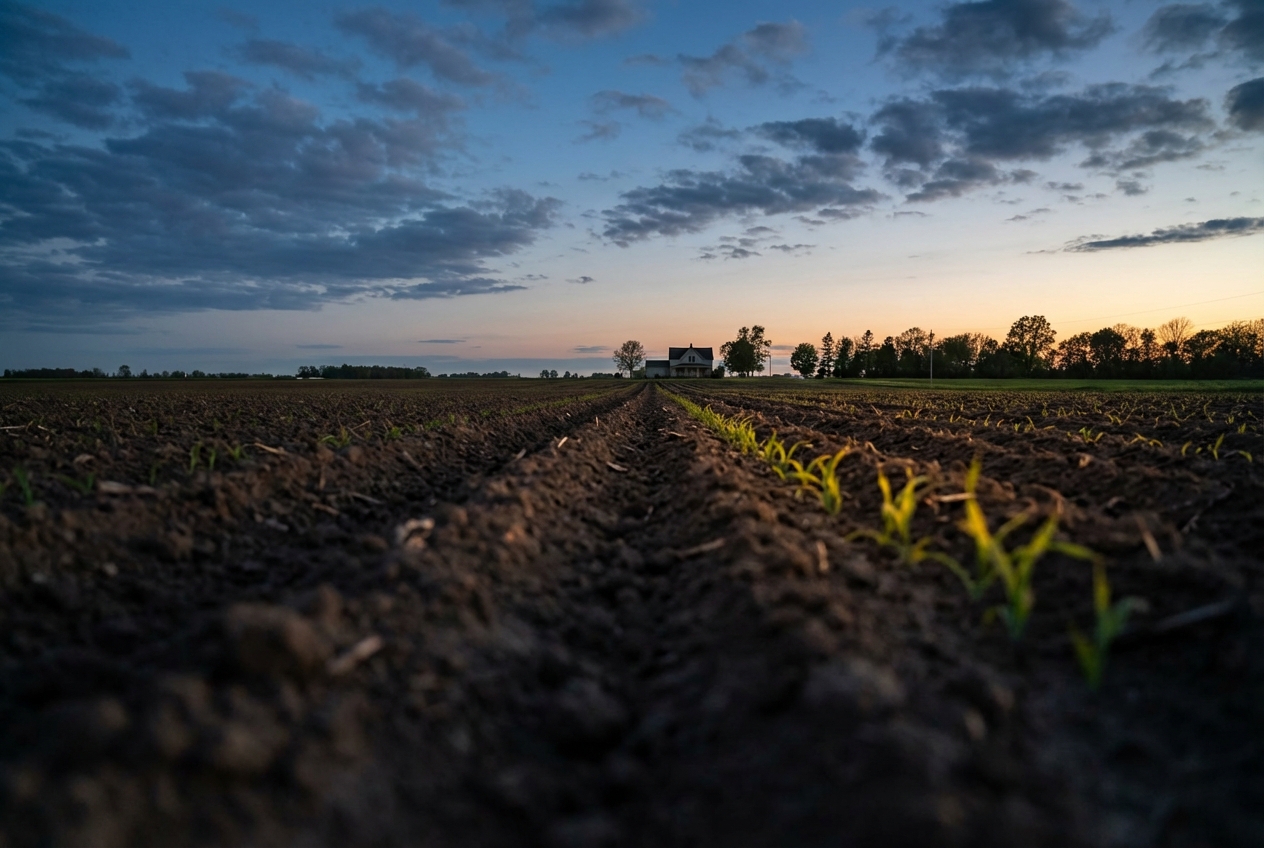
Agricultural field where Paraquat herbicide was commonly applied
Paraquat's Role in U.S. Farming
Paraquat is a potent, fast-acting herbicide sold under names like Gramoxone and Firestorm. Since the 1960s it was used on U.S. farms to clear and maintain row crops, control weeds, and prepare harvest. The EPA restricted it to licensed applicators in 1988, but it remained widely used in agriculture. On farms, exposure happened during mixing, spraying, re-entry into treated fields, and from drift or contaminated equipment; repeated use over years increased cumulative exposure and, research suggests, Parkinson's risk. For which jobs had the highest exposure, see jobs that commonly worked with Paraquat.
How Exposure Happened on Farms
Direct application (mixing, loading, spraying), re-entry into treated fields, equipment contamination, and drift all contributed. Many farmworkers had repeated exposure over years, which may increase Parkinson's risk. For job-by-job exposure details, see jobs that commonly worked with Paraquat.
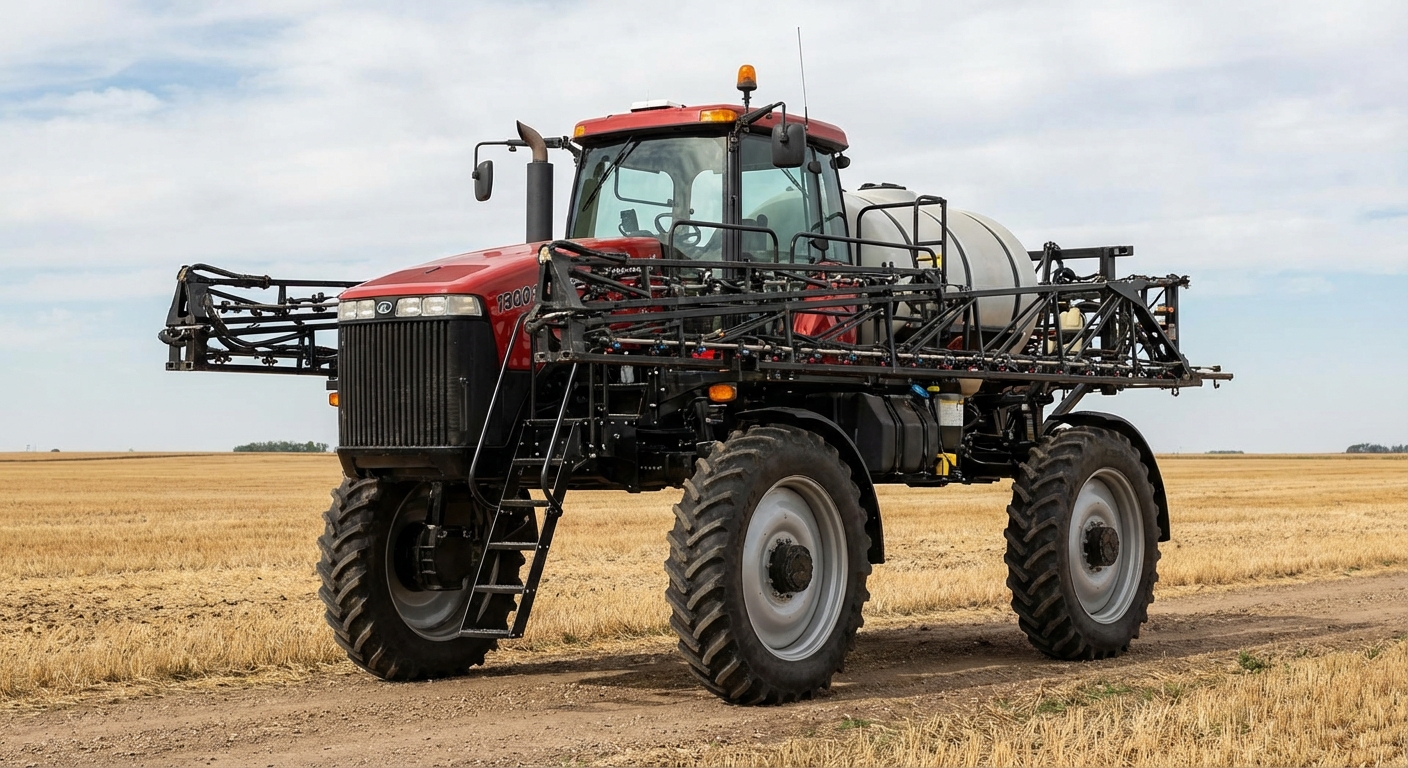
Farm equipment used for herbicide application
Why Litigation Grew
If you've been affected, a free case review can help you understand your options.
Get a free case review and learn whether you may qualify.
Request a free case reviewThousands of plaintiffs allege that manufacturers knew about a link between Paraquat and Parkinson's disease and failed to warn. Federal cases are consolidated in MDL No. 3004 (Southern District of Illinois); state cases also proceed. Bellwether trials and discovery are ongoing. For the science, see Paraquat and Parkinson's disease. If you worked with or around Paraquat on farms and have Parkinson's, a free case review can clarify whether you may have a claim. Paraquat lawsuit information.
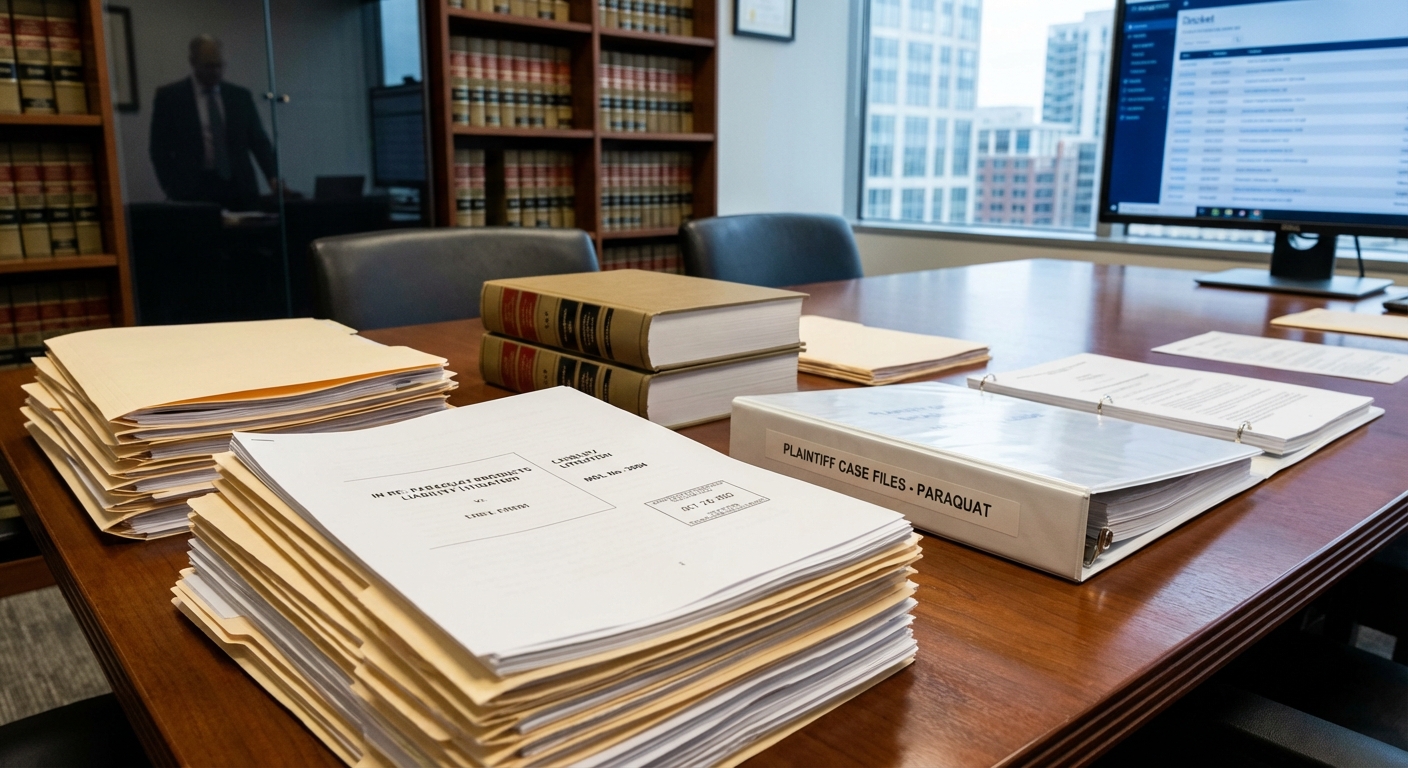
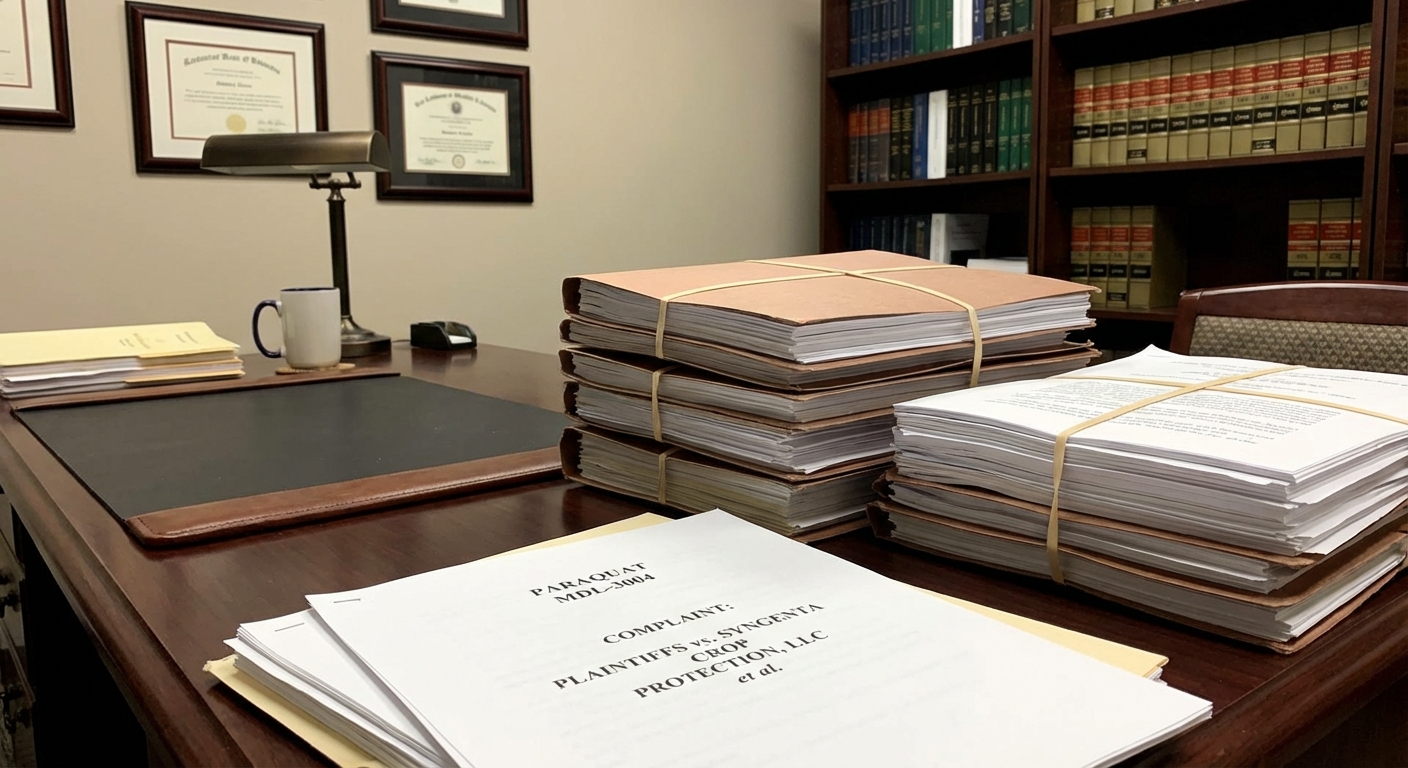
Legal documents representing ongoing Paraquat litigation
Top Tier Legal, LLC is not a law firm and does not provide legal advice. This content is for informational purposes only. Submitting information does not create an attorney-client relationship. If you qualify, Top Tier Legal, LLC may connect you with an independent law firm. Past results do not guarantee future outcomes.