Medical devices are subject to rigorous FDA oversight, yet defective products still reach the market and cause patient injuries. Understanding recalls and your legal rights is essential for protecting yourself and knowing when you may have a valid claim for compensation.
When a medical device is recalled, it means the manufacturer or the FDA has determined that the product poses a risk to patients. Recalls can range from minor issues requiring updated labeling to serious problems that require device removal or replacement. Understanding the recall process and your rights as a patient is crucial if you've been affected by a defective medical device.
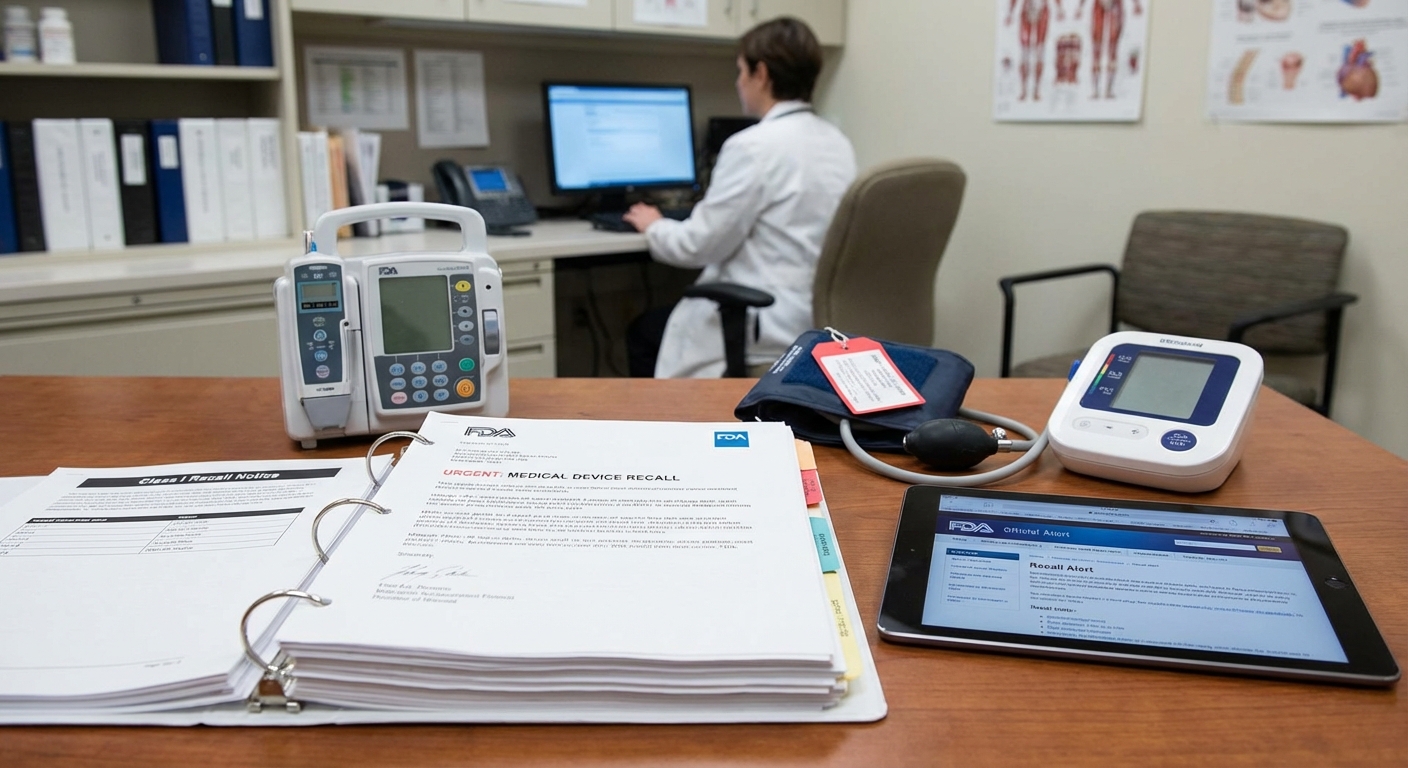
Medical devices and FDA documentation representing device recalls
What Is a Medical Device Recall?
A medical device recall occurs when a manufacturer or the FDA determines that a device poses a risk to patient health or safety. Recalls can be initiated by the manufacturer voluntarily or ordered by the FDA. The recall process is designed to remove or correct devices that violate FDA regulations or pose risks to patients.
Not all recalls mean a device must be removed from your body. Some recalls involve: - Labeling updates to provide better warnings - Software updates for devices with electronic components - Replacement programs for devices that can be safely removed - Monitoring recommendations for devices that should remain implanted
The FDA categorizes recalls based on the severity of the risk, which helps determine the appropriate response and urgency of the recall action.
Types of Medical Device Recalls
The FDA classifies medical device recalls into three categories based on the severity of the risk:
If you've been affected, a free case review can help you understand your options.
No obligation. A quick review can clarify your next steps.
Request a free case reviewClass I Recalls: The most serious type of recall. These involve devices that have a reasonable probability of causing serious health consequences or death. Class I recalls require immediate action, and patients are typically notified directly. Examples include devices that could cause life-threatening infections, device failures that could lead to death, or products contaminated with dangerous substances.
Class II Recalls: These involve devices that may cause temporary or reversible health problems, or where the probability of serious health consequences is remote. Class II recalls are more common than Class I recalls and may involve issues like device malfunctions that could cause injury but are unlikely to be life-threatening. Patients may or may not be directly notified, depending on the circumstances.
Class III Recalls: The least serious category. These involve devices that are unlikely to cause adverse health consequences. Class III recalls often involve minor violations of FDA regulations that don't pose significant health risks, such as labeling issues or minor manufacturing defects that don't affect device function.
Understanding which class your device recall falls into can help you assess the urgency of the situation and determine what steps you should take.
Common Recalled Devices
Recent years have seen significant recalls affecting various types of medical devices. Understanding which devices have been subject to recalls can help you determine whether you may have been affected.
Hip and Knee Replacements: Metal-on-metal hip implants and certain knee replacement systems have been subject to recalls due to premature failure, metal debris release, and other complications. These devices can cause pain, inflammation, and require revision surgery.
Surgical Mesh Products: Mesh products used for hernia repair and pelvic organ prolapse have been recalled due to complications including chronic pain, infection, organ perforation, and mesh erosion. Some mesh products have been linked to serious complications requiring additional surgeries.
Pacemakers and Defibrillators: Cardiac devices have been recalled due to battery failures, lead fractures, and software issues that could prevent the devices from functioning properly. These failures can be life-threatening for patients who depend on these devices.
Don't wait—statutes of limitations may apply. Get a confidential evaluation.
Get a free case review and learn whether you may qualify.
See if you qualifyInsulin Pumps: Diabetes management devices have been recalled due to software errors, delivery failures, and other issues that could affect blood sugar control. Malfunctioning insulin pumps can lead to serious health complications.
IVC Filters: Inferior vena cava filters used to prevent blood clots have been recalled due to device migration, fracture, and perforation risks. These complications can cause serious injuries and may require additional medical procedures.
Breast Implants: Certain types of breast implants have been recalled due to links to rare cancers, rupture risks, and other complications. Some textured implants have been associated with an increased risk of a rare form of lymphoma.
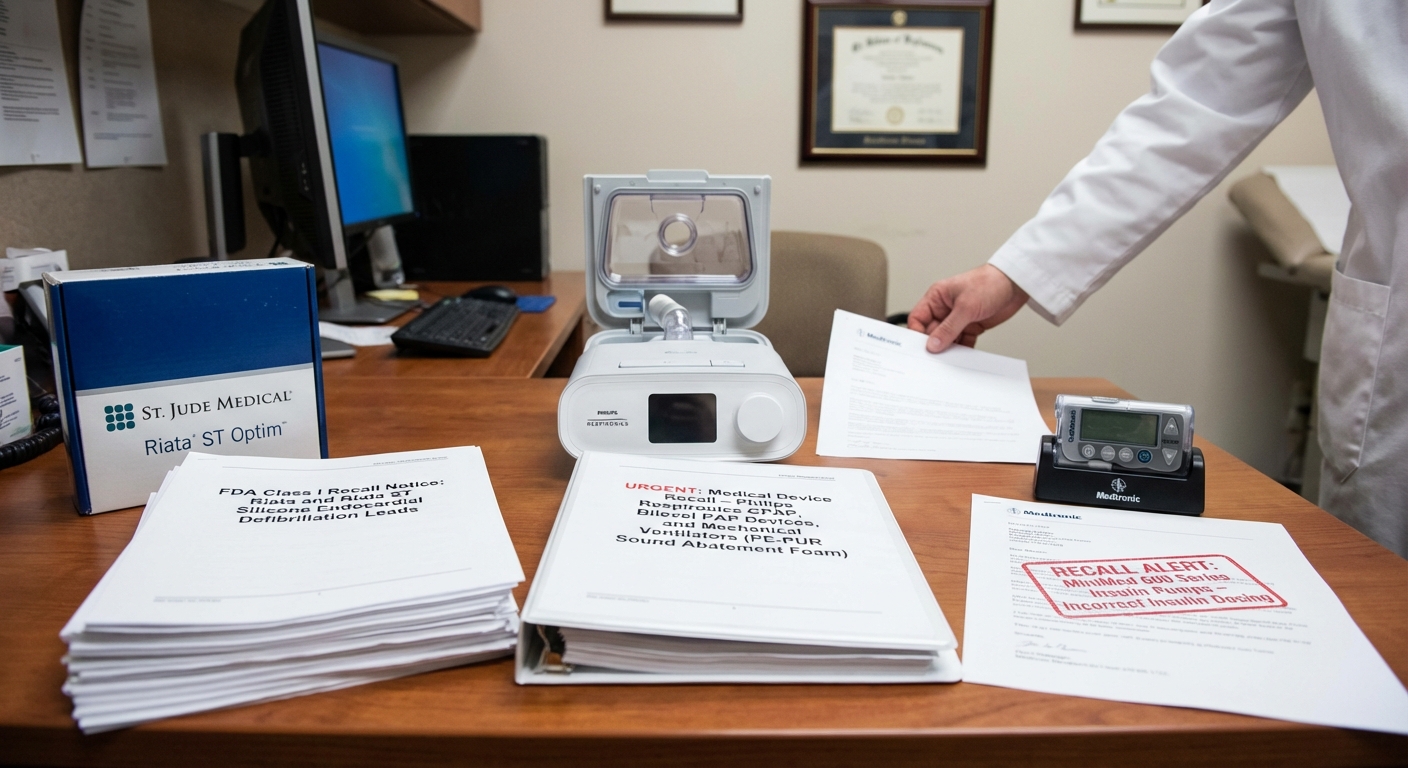
Medical equipment and devices representing various recalled products
How Exposure Occurred
Patients were exposed to defective medical devices through various pathways, depending on the type of device and the medical procedure involved.
Surgical Implantation: Most medical device exposure occurs during surgical procedures where devices are implanted in the body. Surgeons implant devices like hip replacements, pacemakers, surgical mesh, and other products during procedures intended to improve patient health. Patients typically rely on their healthcare providers and device manufacturers to ensure these products are safe and effective.
Prescription and Medical Use: Some medical devices are prescribed or recommended by healthcare providers for patient use. This includes devices like insulin pumps, continuous glucose monitors, and other products that patients use outside of surgical settings. Patients typically obtain these devices through medical supply companies or pharmacies based on their healthcare provider's recommendations.
Hospital and Clinical Settings: Some medical device exposure occurs in hospital or clinical settings where devices are used during treatment or procedures. This includes devices used during surgery, diagnostic procedures, or ongoing patient care. Patients may not always be aware of which specific devices are being used in these settings.
Experienced attorneys are ready to review your situation at no cost.
One step: request a free, confidential case evaluation.
Get your free case reviewDirect-to-Consumer Sales: Some medical devices are available directly to consumers, though most require a prescription or medical supervision. Patients may purchase certain devices based on advertising, recommendations, or medical necessity.
The exposure pathway is important because it can affect how patients learn about recalls, what documentation they have about their device, and how they can establish their case if they've been harmed by a defective device.
Who May Be Affected
Anyone who has a medical device that has been recalled may be affected, though the level of risk and potential harm varies depending on several factors.
Patients with Implanted Devices: Those who have medical devices surgically implanted in their bodies face the highest risks if those devices are defective. Implanted devices can be difficult or impossible to remove, and device failures can cause serious complications. Patients with hip replacements, pacemakers, surgical mesh, breast implants, and other implanted devices may face ongoing risks if their devices are recalled.
Patients Requiring Revision Surgery: Those who have already experienced complications from defective devices and required revision surgery may have valid claims for compensation. Revision surgeries are often more complex than initial implantations and can involve significant medical expenses and recovery time.
Patients with Ongoing Symptoms: Patients who are experiencing pain, discomfort, or other symptoms that may be related to a defective device may be affected. These symptoms can significantly impact quality of life and may require ongoing medical treatment.
Patients Notified of Recalls: Those who have been directly notified by their healthcare provider or device manufacturer about a recall may need to take action. The notification typically explains the risks and recommended steps, which may include monitoring, device removal, or replacement.
Patients with Device Failures: Those whose devices have failed prematurely or malfunctioned may be affected, even if a formal recall hasn't been issued. Device failures can cause serious injuries and may indicate broader problems with the device design or manufacturing.
Take the first step: a free consultation could clarify your legal options.
Free, no-obligation case review. Find out if you qualify.
Start with a free consultationFamily Members: In some cases, family members may be affected indirectly through the impact of device complications on their loved ones. The emotional and financial toll of dealing with defective medical devices can extend beyond the patient.
If you have a medical device that has been recalled or have experienced complications that may be related to a medical device, you may qualify for a case review to determine whether you have a valid claim.
Current Status of Litigation
Medical device litigation is ongoing across multiple product categories. Thousands of cases are pending in courts across the country, with many consolidated into multidistrict litigation (MDL) proceedings.
Hip and Knee Replacement Litigation: Cases involving metal-on-metal hip implants and certain knee replacement systems have resulted in significant settlements. Some manufacturers have established settlement programs to resolve claims, while other cases continue to proceed through the legal system.
Surgical Mesh Litigation: Tens of thousands of cases involving surgical mesh products are pending. Some manufacturers have established settlement programs, while other cases continue through bellwether trials and individual case evaluations. The litigation has revealed evidence that manufacturers may have known about risks but failed to adequately warn patients and healthcare providers.
Pacemaker and Defibrillator Cases: Litigation involving cardiac devices often focuses on device failures, battery issues, and lead problems. These cases can be particularly serious because device failures can be life-threatening for patients who depend on these devices for heart rhythm management.
IVC Filter Litigation: Cases involving inferior vena cava filters have resulted in settlements and ongoing litigation. The cases allege that manufacturers knew about risks of device migration, fracture, and perforation but failed to adequately warn patients and healthcare providers.
Breast Implant Cases: Litigation involving breast implants has addressed various issues including links to rare cancers, rupture risks, and other complications. Some cases have resulted in settlements, while others continue through the legal process.
Top Tier Legal connects you with experienced mass tort attorneys.
Confidential evaluation at no cost. See if you have options.
Get a free case evaluationThe litigation landscape continues to evolve as new evidence emerges, more patients come forward, and courts make decisions that affect how cases are evaluated. For more information about how mass tort litigation works, see our guide on understanding mass tort litigation. You can also learn more about medical device recalls and patient rights.
What a Case Review Involves
A case review is an initial evaluation to determine whether you may have a valid legal claim related to a defective or recalled medical device. This process is confidential, free, and does not create any obligation on your part.
Initial Consultation: The process typically begins with a conversation about your medical device and any complications you've experienced. You'll be asked about when your device was implanted or when you began using it, what type of device it is, whether you've been notified of any recalls, and what symptoms or complications you've experienced.
Medical Records Review: If you decide to proceed, medical records related to your device implantation, any complications, and subsequent treatment may be reviewed. This helps establish the connection between your device and any injuries or complications you've experienced. You may also be asked about device identification information, such as model numbers or serial numbers if available.
Device Documentation: Information about your specific device helps build your case. This might include surgical records, device identification cards (for devices like pacemakers), purchase receipts, or documentation from your healthcare provider about the device used in your procedure.
Complication Documentation: Details about any complications, revision surgeries, ongoing symptoms, or medical treatment related to your device are important. This includes medical bills, records of additional procedures, documentation of pain or disability, and any impact on your quality of life.
Eligibility Assessment: Based on the information gathered, an assessment will be made about whether you may qualify to pursue a claim. Factors considered include the type of device, whether it has been recalled, the nature and severity of your complications, the timing of your device use and complications, and how your case fits within the broader litigation.
Next Steps: If you may qualify, you'll be informed about the next steps in the legal process. This might include connecting you with an independent law firm that handles medical device cases. If you don't qualify, you'll receive an explanation of why.
Free, no-obligation case review. Find out if you qualify.
No obligation. A quick review can clarify your next steps.
Check your eligibilityNo Upfront Costs: Case reviews are conducted at no cost to you. If you qualify and choose to proceed with a case, most attorneys work on a contingency fee basis, meaning they only receive payment if your case is successful.
The case review process is designed to be straightforward and respectful of your situation. The goal is to help you understand your options and determine whether pursuing legal action makes sense for your circumstances.
Your Rights After a Recall
If you have an implanted device that's been recalled, understanding your rights and options is important. Not all recalls require immediate action, but being informed can help you make the best decisions for your health and legal situation.
Don't Panic: Not all recalls require device removal. Many recalls involve issues that can be managed through monitoring, medication, or other non-surgical approaches. Your healthcare provider can help you understand the specific risks associated with your device and the recommended course of action.
Contact Your Doctor: If you've been notified of a recall or learn that your device has been recalled, contact your healthcare provider to discuss your options. They can help you understand the risks, determine whether monitoring or removal is recommended, and develop a plan for managing the situation.
Document Everything: Keep detailed records of all medical visits, communications about the recall, symptoms you experience, and any treatment you receive. This documentation can be important if you decide to pursue a legal claim. Save all medical bills, records, and correspondence related to your device and any complications.
Understand Your Options: Some recalls include replacement programs or other manufacturer assistance. Understanding what options are available can help you make informed decisions. However, be cautious about signing any documents or agreements without legal advice, as these may affect your rights to pursue compensation.
Know Your Legal Rights: You may be entitled to compensation if you've been harmed by a defective medical device. This can include compensation for medical expenses, lost wages, pain and suffering, and other damages. Understanding your legal rights can help you make informed decisions about whether to pursue a claim.
If you've been affected, a free case review can help you understand your options.
Get a free case review and learn whether you may qualify.
Request a free case reviewTime Limits Apply: Statutes of limitations set deadlines for filing lawsuits related to medical device injuries. These deadlines vary by state and depend on factors such as when you discovered your injury or when you learned about the device defect. Missing these deadlines can permanently bar you from pursuing compensation, so it's important to act promptly if you believe you may have a claim.
If you've been affected by a recalled medical device, see if you qualify for a free case review to learn more about your potential rights and options.
Important Disclaimers
Understanding the legal landscape surrounding medical device litigation requires recognizing several important points about the process and potential outcomes.
No Guarantees: Legal cases involve uncertainty. Past results in similar cases don't guarantee future outcomes. Each case is evaluated individually based on its unique facts and circumstances. The strength of your case depends on many factors, including the evidence available, the timing of your complications, and how courts interpret the legal and scientific issues.
Time Limits Apply: Statutes of limitations set deadlines for filing lawsuits. These deadlines vary by state and depend on factors such as when you discovered your injury or when you learned about the device defect. Missing these deadlines can permanently bar you from pursuing compensation, so it's important to act promptly if you believe you may have a claim.
Individual Cases: Even though thousands of medical device cases are proceeding, each case is handled individually. Your specific circumstances, medical history, and device details will be considered separately. Compensation, if any, will be based on your individual situation rather than a formula applied to all cases.
Scientific Evidence: While research and FDA actions may suggest problems with certain devices, scientific evidence continues to evolve. Courts will evaluate this evidence, and outcomes may depend on how juries and judges interpret the available research and regulatory actions.
Litigation Timeline: Mass tort litigation typically takes several years to resolve. Cases may proceed through discovery, expert witness preparation, bellwether trials, and potentially individual trials or settlement negotiations. The timeline for your specific case depends on many factors beyond your control.
Don't wait—statutes of limitations may apply. Get a confidential evaluation.
One step: request a free, confidential case evaluation.
See if you qualifyMedical Decisions: Legal advice is not medical advice. Decisions about device removal, replacement, or medical treatment should be made in consultation with your healthcare provider. Legal action is separate from medical treatment decisions.
If you've been affected by a recalled or defective medical device, the most important step is to have your situation evaluated. A case review can help you understand your options and determine whether pursuing legal action makes sense for your circumstances.
Check your eligibility for a free case review to learn more about your potential rights and options related to medical device recalls and potential compensation. You can also contact us for a free case review.
Top Tier Legal, LLC is not a law firm and does not provide legal advice. This content is for informational purposes only. Submitting information does not create an attorney-client relationship. If you qualify, Top Tier Legal, LLC may connect you with an independent law firm. Past results do not guarantee future outcomes.