
Here the emphasis is on process: what happens after you contact a lawyer about Paraquat, how your case may move through MDL proceedings, and realistic timelines from first call to possible resolution.
If you were exposed to the herbicide Paraquat and later developed Parkinson's disease, you may be considering a lawsuit. Understanding the paraquat lawsuit process and timeline can help you make informed decisions and know what to expect from filing through resolution.
Paraquat dichloride is a highly toxic herbicide used on American farms for decades. Research has linked exposure to an increased risk of Parkinson's disease, and thousands of claims have been filed against manufacturers. This guide walks you through how paraquat lawsuits work, from initial filing to settlement or trial, and highlights recent updates so you can stay informed.

Agricultural field where Paraquat herbicide was commonly applied
Introduction to Paraquat Lawsuits
Paraquat is a restricted-use pesticide sold under brand names such as Gramoxone, Firestorm, and Parazone. It was widely used in agriculture to control weeds and prepare fields. Workers who mixed, loaded, or applied the chemical—or who entered treated fields—could be exposed through skin contact, inhalation, or accidental ingestion. Over time, scientific studies have linked Paraquat exposure to a higher risk of Parkinson's disease, a progressive neurological disorder.
Lawsuits allege that manufacturers knew or should have known about this risk but failed to warn users adequately. Plaintiffs seek compensation for medical expenses, lost wages, pain and suffering, and other damages. Cases are being pursued individually and through coordinated proceedings in federal and state courts. For a broader overview of the litigation, see our Paraquat lawsuit overview.
How to File a Paraquat Lawsuit
Filing a paraquat lawsuit follows a structured path. Knowing the steps and what you need can reduce confusion and help you move forward with confidence.
**Eligibility**
Experienced attorneys are ready to review your situation at no cost.
No obligation. A quick review can clarify your next steps.
Get your free case reviewYou typically need a history of Paraquat exposure and a diagnosis of Parkinson's disease (or in some cases other qualifying conditions). Exposure may have occurred through direct application, re-entry into treated fields, or other occupational or environmental contact. Each case is evaluated on its own facts; an attorney can help determine whether you meet the criteria used in the current litigation.
Step 1: Case evaluation:
The first step is usually a free, confidential case evaluation. You will discuss your work history, how and when you were exposed to Paraquat, and when you were diagnosed with Parkinson's disease. The evaluator will explain whether you may qualify to file a claim and what the process involves. This step does not obligate you to file a lawsuit.
Step 2: Gather documentation:
If you move forward, you and your attorney will collect evidence. Important items often include medical records confirming your Parkinson's diagnosis, employment or work history showing exposure (e.g., farm work, pesticide application), applicator licenses or training records if applicable, and any other documents that support your exposure and diagnosis. The more you can provide, the better your legal team can assess and develop your case.
Step 3: Retain an attorney and file the complaint:
An attorney experienced in mass tort or product liability cases will file a lawsuit on your behalf in the appropriate court. Your case may be filed in federal court and become part of the multidistrict litigation (MDL), or it may be filed in state court depending on strategy and venue rules. Your attorney will prepare the complaint, serve the defendants, and move your case into the next phase. For more on who may qualify and how to get started, see how to join a lawsuit.
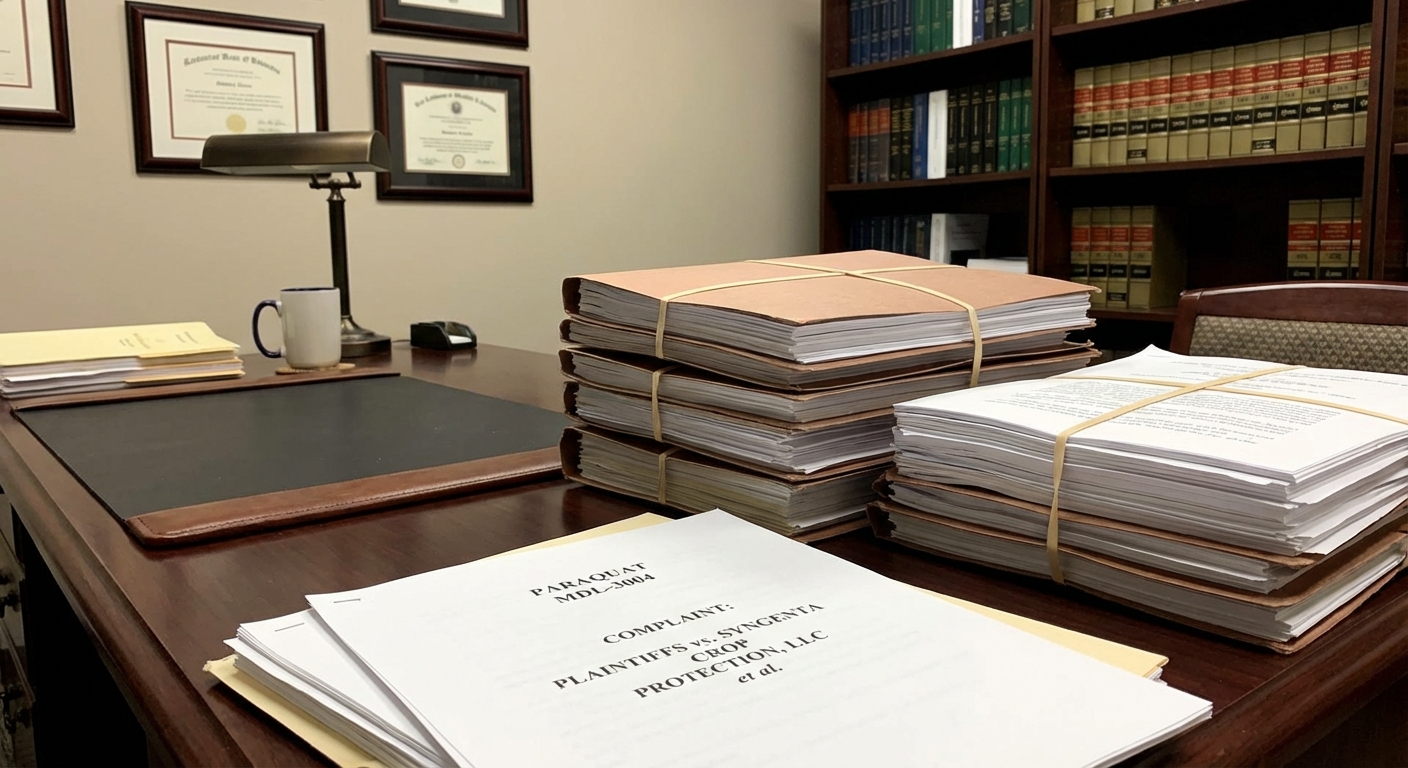
Legal documents representing ongoing Paraquat litigation
Legal Process and Timeline
Take the first step: a free consultation could clarify your legal options.
Get a free case review and learn whether you may qualify.
Start with a free consultationFrom filing to resolution, paraquat cases typically pass through several stages. Timelines vary, but understanding each phase helps you know what to expect and what is expected of you.
**Filing and initial response**
After your attorney files the complaint, defendants must respond within a set period (often 21 to 30 days in federal court). They may move to dismiss the case or answer the allegations. The court will then set a schedule for discovery and other pretrial matters. Cases filed in federal court may be transferred into the Paraquat MDL (MDL No. 3004) in the Southern District of Illinois for coordinated pretrial proceedings.
**Discovery**
Discovery is the phase where both sides exchange information and evidence. You may be asked to respond to written questions (interrogatories), produce documents, and sit for a deposition (recorded testimony). Defendants will produce internal documents, studies, and other materials. Discovery in mass torts can last one to several years and often involves millions of pages of documents. Your attorney will guide you through requests and prepare you for any deposition.
**Bellwether trials**
In the MDL, the court typically selects a small number of cases as "bellwether" trials. These test cases are tried before juries to see how they evaluate the evidence and what kind of verdicts or damages they award. Bellwether results do not decide your case, but they often influence settlement negotiations and help both sides value claims. If you are not selected as a bellwether, your case will remain in the queue for potential settlement or your own trial later.
**Settlement or trial**
Many paraquat cases are resolved through settlement. Settlement programs may offer different tiers of compensation based on factors such as severity of illness, duration of exposure, age, and medical expenses. If your case does not settle, it may be sent back to the court where it was originally filed (or remain in the MDL court) for trial. At trial, a judge or jury will decide liability and damages. Overall, from filing to resolution, mass tort litigation often takes several years; your attorney can give you a rough timeline based on current developments.
Top Tier Legal connects you with experienced mass tort attorneys.
One step: request a free, confidential case evaluation.
Get a free case evaluationRecent Updates and Case Developments
Staying current on paraquat lawsuit updates can help you set realistic expectations and understand where the litigation stands.
**MDL and court activity**
The Paraquat MDL (No. 3004) continues in the Southern District of Illinois under Judge Nancy J. Rosenstengel. Thousands of cases are pending there for coordinated discovery and bellwether trials. Court orders and scheduling decisions are issued regularly; trial dates may be set, continued, or adjusted. Your attorney can keep you informed of dates that affect your case or the litigation as a whole.
**Bellwether and trial news**
Several bellwether trials have been scheduled or completed in the MDL. Outcomes help shape settlement discussions and case valuation. Some trials have resulted in plaintiff verdicts; others have been decided for defendants or resolved before verdict. News about upcoming trials, postponements, or new bellwether selections is important for understanding the direction of the litigation. Check with your legal team or reliable legal news sources for the latest trial and bellwether updates.
**Settlement negotiations**
Settlement talks in mass torts often intensify after bellwether trials. As of early 2026, no global settlement program has been publicly announced for all paraquat claims, but individual or group settlements may occur. Any future settlement framework would likely define eligibility tiers and compensation ranges. For the latest on settlement trends and what they might mean for claimants, see our latest settlement updates.
**New filings and deadlines**
Free, no-obligation case review. Find out if you qualify.
Free, no-obligation case review. Find out if you qualify.
Check your eligibilityNew cases continue to be filed as more people are diagnosed with Parkinson's disease and learn about the alleged link to Paraquat. Statutes of limitations vary by state and can depend on when you were diagnosed or when you discovered the connection. If you think you may have a claim, it is important to act promptly so you do not miss a deadline.
What to Expect Next in Your Claim
Once your case is filed, you can take practical steps to stay prepared and work effectively with your attorney.
**Stay in contact**
Respond to your attorney's requests for information, documents, or meetings in a timely way. Delays on your part can slow discovery and scheduling. Keep your contact information current and let the firm know if your health or circumstances change in a way that might affect your case.
**Prepare for discovery**
You may need to sign authorizations so your attorney can obtain medical and employment records. You may also need to answer written questions and sit for a deposition. Your attorney will explain what to expect and how to prepare. Being organized and honest in your responses helps strengthen your case.
**Understand timelines**
Mass tort cases often take three to several years from filing to resolution. Bellwether trials, settlement talks, and court schedules all affect timing. Ask your attorney for a rough timeline and what might speed up or delay your case. Avoid making major financial or life decisions based on an assumed settlement date until you have a clearer picture.
If you've been affected, a free case review can help you understand your options.
Confidential evaluation at no cost. See if you have options.
Request a free case review**Focus on your health**
Your health comes first. Continue following your doctor's advice and treatment plan. Your attorney will handle the legal process; your job is to provide accurate information and take care of yourself. If you have not yet filed but are considering it, see our Paraquat and Parkinson's disease article and our Paraquat practice area page for more information and to see if you qualify for a free case review.
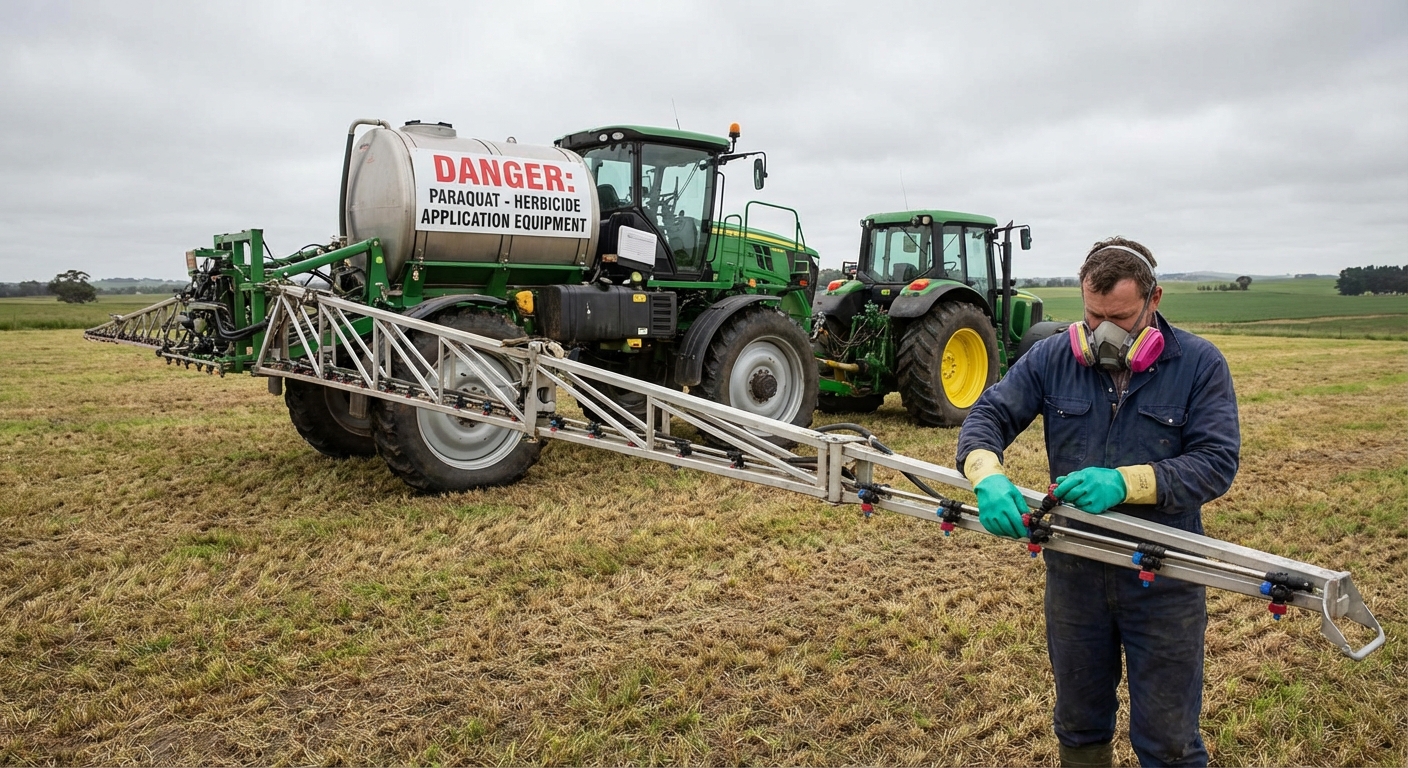
Farm equipment used for herbicide application
FAQs about Paraquat Lawsuits
**What is the deadline to file a paraquat lawsuit?**
Deadlines are set by state statutes of limitations and can range from one to several years. The clock usually starts when you are diagnosed with Parkinson's disease or when you reasonably should have connected your condition to Paraquat exposure. Deadlines vary by state and your specific situation, so you should consult an attorney as soon as you are considering a claim.
**How long does a paraquat lawsuit take?**
There is no fixed timeline. Many cases take several years from filing through discovery, bellwether trials, and settlement or trial. Your case may resolve earlier if it is included in a settlement program or later if it goes to trial. Your attorney can give you an estimate based on current litigation progress.
**How much can I recover in a paraquat lawsuit?**
Don't wait—statutes of limitations may apply. Get a confidential evaluation.
No obligation. A quick review can clarify your next steps.
See if you qualifyCompensation varies by case. Factors include the severity of your condition, medical expenses, lost wages, duration and level of exposure, and the outcome of bellwether trials and settlement discussions. No one can guarantee an amount. For general information on how settlements are often structured, see our paraquat lawsuit settlement estimates.
**Do I have to go to court?**
You may need to attend a deposition and, if your case goes to trial, appear in court. Many cases settle without a trial. Your attorney will explain what will be required of you and when.
**What if I am not sure I was exposed to Paraquat?**
Exposure can include mixing, loading, or applying the product; working in treated fields; or other contact through work or environment. If you worked in agriculture, landscaping, or similar work and have Parkinson's disease, a free case review can help you understand whether you may have a claim. You can also read about jobs that commonly worked with Paraquat and how Paraquat was used on U.S. farms.
Important Disclaimers
Paraquat litigation is ongoing and subject to change. Court schedules, settlement talks, and legal standards may evolve. This article is for general information only and is not legal advice. Outcomes in other cases do not guarantee a similar result in yours. Statutes of limitations apply and vary by state; acting promptly is important.
If you were exposed to Paraquat and have been diagnosed with Parkinson's disease, consider having your situation evaluated. See if you qualify for a free case review to learn more about your potential rights and options. You can also learn more about Paraquat lawsuit information and your potential rights.
Top Tier Legal, LLC is not a law firm and does not provide legal advice. This content is for informational purposes only. Submitting information does not create an attorney-client relationship. If you qualify, Top Tier Legal, LLC may connect you with an independent law firm. Past results do not guarantee future outcomes.
Experienced attorneys are ready to review your situation at no cost.
Get a free case review and learn whether you may qualify.
Get your free case review