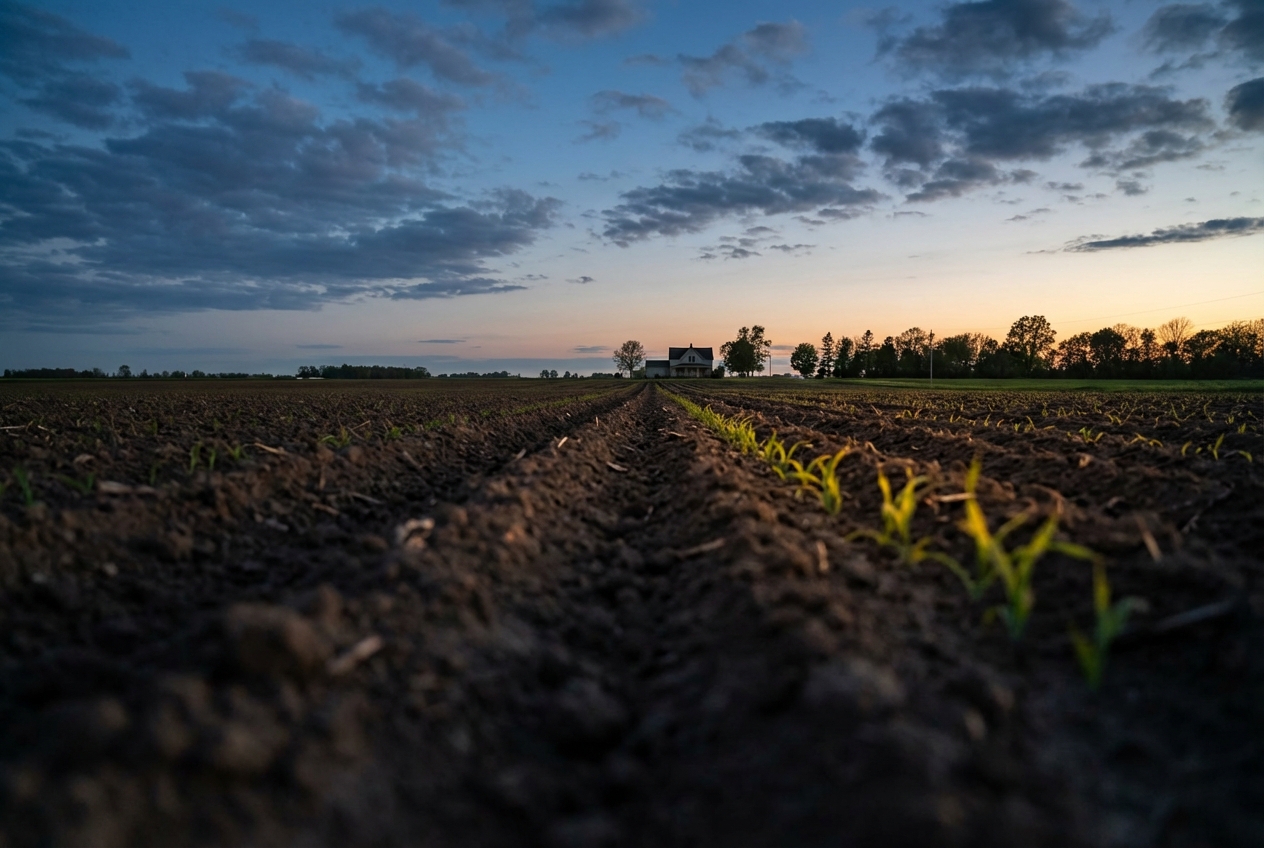
While no one can promise results, this guide explains how Paraquat compensation is typically structured—base amounts, point systems, and factors that can increase or decrease an award—so you understand what a settlement program might look like.
Thousands of people who were exposed to the herbicide Paraquat and later developed Parkinson's disease have pursued legal claims seeking compensation. As litigation progresses, many want to understand what settlement amounts they might expect and how to strengthen their cases. This guide provides clear, up-to-date insights on Paraquat settlement ranges, factors that influence compensation, and practical steps victims can take to maximize their claims. For a broader overview of the litigation, see our Paraquat lawsuit overview.

Professional legal office with settlement documentation for Paraquat cases
Introduction to Paraquat Litigation
Paraquat is an industrial-strength herbicide used on U.S. farms since the 1960s. Scientific studies have linked prolonged exposure to an increased risk of Parkinson's disease. Thousands of lawsuits allege that manufacturers knew of this risk but failed to warn users adequately. Federal cases are consolidated in a Multidistrict Litigation (MDL) in the Southern District of Illinois, and many additional cases are filed in state courts, including Pennsylvania. Victims pursue these claims to seek compensation for medical expenses, lost wages, pain and suffering, and other damages related to their diagnosis.
What Are Typical Settlement Amounts in Paraquat Cases?
As of early 2026, no global settlement has been publicly finalized, so exact payout figures remain fluid. However, based on recent litigation updates, expert estimates, and comparisons to similar mass torts, analysts and attorneys have suggested broad settlement ranges. These are estimates only; actual amounts depend on case-specific factors and the terms of any future settlement program.
Tier I (strongest cases):: Estimates range from approximately $400,000 to over $1,000,000 per plaintiff. These typically involve prolonged occupational exposure, clear medical documentation of Parkinson's disease, and strong evidence linking exposure to diagnosis.
Tier II (moderate cases):: Estimates suggest roughly $150,000 to $300,000. These may involve shorter exposure periods, somewhat weaker documentation, or other variables that affect case strength.
Tier III (less strong cases):: Estimates range from approximately $20,000 to $150,000. These may involve limited exposure, gaps in evidence, or other factors that reduce valuation.
Top Tier Legal connects you with experienced mass tort attorneys.
Confidential evaluation at no cost. See if you have options.
Get a free case evaluationThe average settlement, if a global deal is reached, could fall in the $600,000 to $900,000 range for viable claims, though individual results will vary. State court cases, particularly in Pennsylvania, may see higher average payouts than some MDL cases due to venue and procedural differences. Past results do not guarantee future outcomes.
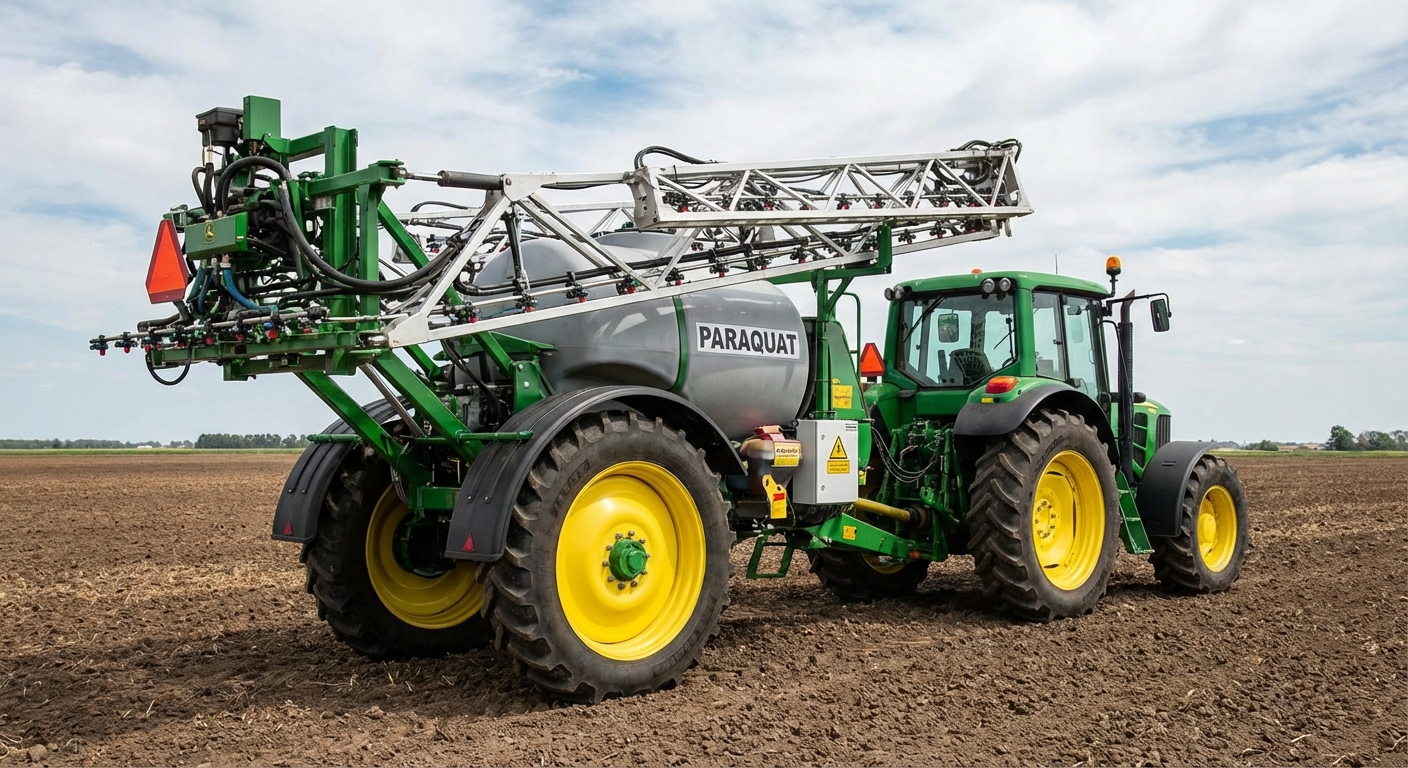
Farm equipment used for herbicide application where Paraquat exposure may occur
Factors Influencing Compensation
Several factors can influence how much compensation a victim may receive in a Paraquat claim:
Exposure duration and intensity:: Longer, more direct exposure—such as mixing, loading, or applying Paraquat over many years—tends to strengthen claims. Occupational use on farms or in landscaping is typically better documented than incidental exposure.
Severity of illness:: The severity of Parkinson's disease, age at diagnosis, impact on daily life, and need for ongoing care can affect compensation. More severe cases with higher medical costs and greater loss of function may receive higher amounts.
Medical documentation:: A clear diagnosis of Parkinson's disease from a neurologist, along with records showing when symptoms began and how they progressed, strengthens a claim. Supporting evidence that exposure preceded or coincided with symptom onset is important.
Legal strategy and venue:: Whether a case is in the MDL or in state court, and how strong the evidence is in each individual matter, affects valuation. Experienced legal representation can help present the strongest possible case.
Settlement program design:: If a global settlement is reached, the program may use a points-based or tiered system to allocate payouts. Eligibility criteria, caps, and offsets can all affect final amounts.
Free, no-obligation case review. Find out if you qualify.
No obligation. A quick review can clarify your next steps.
Check your eligibilityHow to Maximize Your Paraquat Claim
While no outcome can be guaranteed, victims can take steps to build a stronger claim and position themselves for the best possible result:
Gather evidence early:: Collect employment records, pesticide applicator licenses, purchase receipts, and any documentation showing when and where you were exposed to Paraquat. Medical records, including neurologist reports and imaging, are essential.
Document your exposure history:: Write down dates, locations, job duties, and how you handled Paraquat (mixing, spraying, cleaning equipment, etc.). Witness statements from coworkers or family members who can attest to your exposure can help.
Act quickly:: Statutes of limitations vary by state and can bar claims if deadlines are missed. The sooner you have your situation evaluated, the better. See if you qualify for a <a href="/blog/who-qualifies-paraquat-lawsuit/">free case review</a> to determine eligibility.
Choose experienced representation:: Law firms familiar with mass tort litigation and Paraquat cases understand the evidence needed and how to present it effectively. Most work on a contingency basis, meaning you typically pay nothing upfront.
Respond to deadlines:: In the MDL and some state courts, plaintiffs must complete questionnaires and meet court-ordered deadlines. Missing these can result in dismissal, so staying organized and responsive is critical.
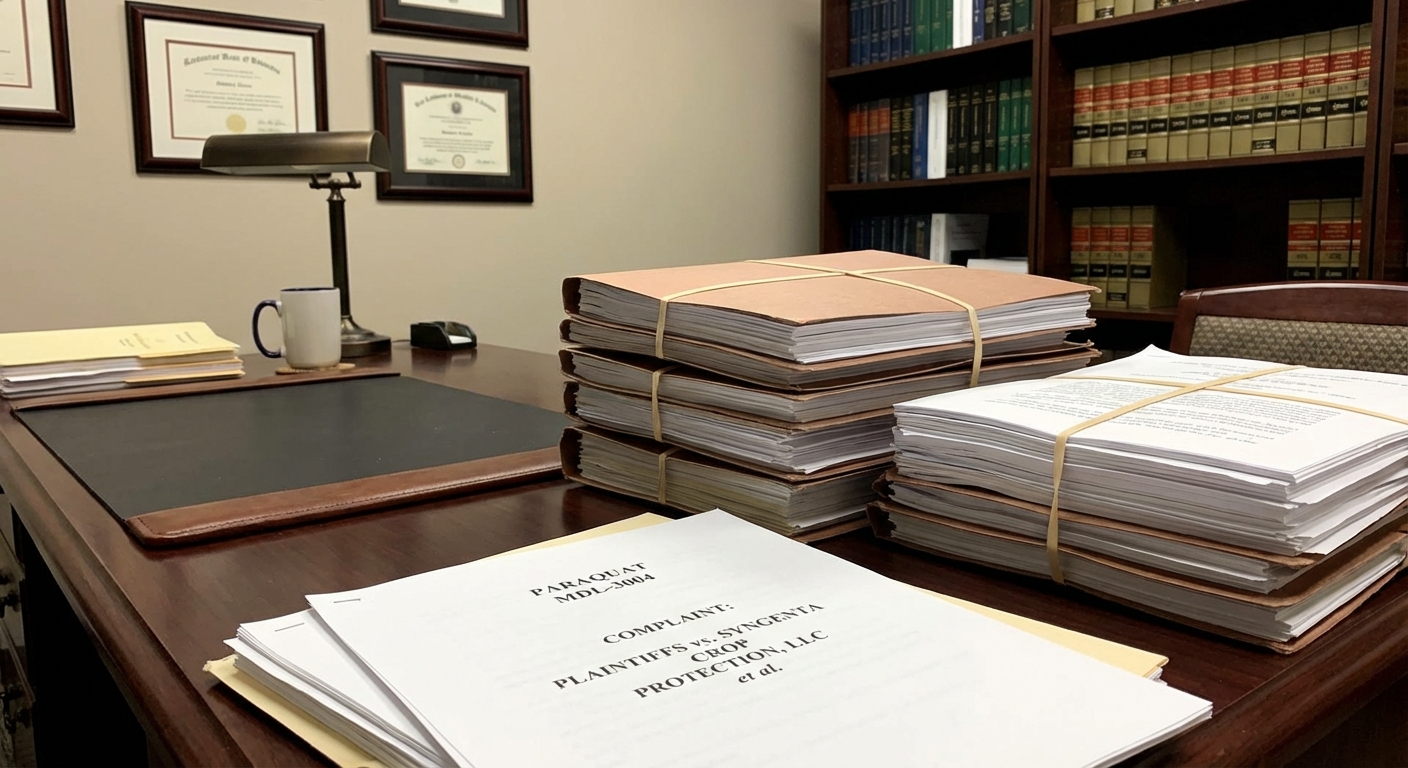
Legal documents representing ongoing Paraquat litigation
Current Status of Paraquat Litigation and Settlements
If you've been affected, a free case review can help you understand your options.
Get a free case review and learn whether you may qualify.
Request a free case reviewAs of early 2026, the Paraquat MDL continues to move toward a potential resolution. In 2025, the parties announced a settlement framework, and the court has extended a stay on case-specific discovery to allow settlement negotiations to continue. The MDL currently has thousands of pending cases. Bellwether trials had been scheduled but remain on hold pending settlement progress.
State court litigation, including in Pennsylvania, continues in parallel. Some plaintiffs have chosen state venues for strategic reasons. Settlement discussions may progress separately or in conjunction with the MDL.
For the latest developments, see our article on recent Paraquat litigation updates. Status can change with new court orders or settlement announcements. A case review can help you understand how current developments may affect your situation.
See if you qualify for a free case review to learn more about your potential rights and options. You can also learn more about Paraquat lawsuit information and your potential rights.
FAQs About Paraquat Compensation
**What is the typical timeline for a Paraquat settlement?**
If a global settlement is reached, distribution of funds can take several months to over a year. Individual case evaluation, verification of eligibility, and allocation through a points or tier system all affect timing. Each case is different.
**Who may qualify for Paraquat compensation?**
Generally, individuals who were exposed to Paraquat (e.g., through farming, landscaping, or living near agricultural areas) and have been diagnosed with Parkinson's disease may qualify. Eligibility depends on exposure history, medical documentation, and other factors. A free case review can help determine whether you may have a valid claim.
Don't wait—statutes of limitations may apply. Get a confidential evaluation.
One step: request a free, confidential case evaluation.
See if you qualify**How is compensation calculated?**
Settlement programs typically use factors such as exposure duration, severity of illness, age, medical expenses, and strength of evidence. Exact formulas depend on the terms of any settlement agreement.
**Are there upfront costs to file a claim?**
Many attorneys handling Paraquat cases work on a contingency basis. You typically pay nothing upfront; fees are only collected if you receive compensation. Costs such as court fees may be advanced by the firm and recovered from any settlement.
**What if I'm not sure about my exposure history?**
Document what you remember—employers, job duties, dates, and locations. Employment records, tax returns, and witness statements can help fill gaps. A case review can help you understand what evidence is needed and whether your situation may qualify.
**Where can I learn more about filing a Paraquat claim?**
You can learn more about how to file a Paraquat claim and eligibility on our practice area page. A free case review can provide personalized guidance based on your exposure and diagnosis.
Conclusion
Experienced attorneys are ready to review your situation at no cost.
Free, no-obligation case review. Find out if you qualify.
Get your free case reviewUnderstanding typical settlement ranges, the factors that influence compensation, and how to strengthen your claim can help you make informed decisions. Paraquat litigation remains active, and settlement discussions are ongoing. If you were exposed to Paraquat and have been diagnosed with Parkinson's disease, consider having your situation evaluated. See if you qualify for a free case review to learn more about your potential rights and options.
Top Tier Legal, LLC is not a law firm and does not provide legal advice. This content is for informational purposes only. Submitting information does not create an attorney-client relationship. If you qualify, Top Tier Legal, LLC may connect you with an independent law firm. Past results do not guarantee future outcomes.